“Film Is Not Content, and Serious Filmmakers Should Rethink YouTube Distribution,” says Leila Djansi

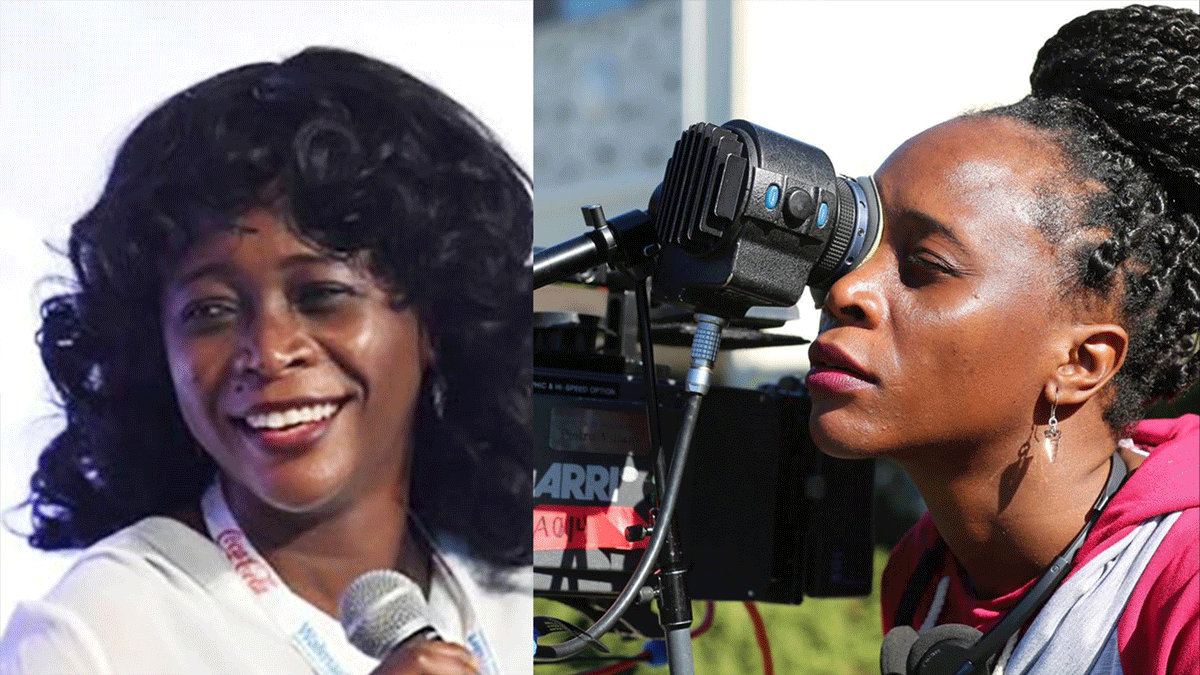
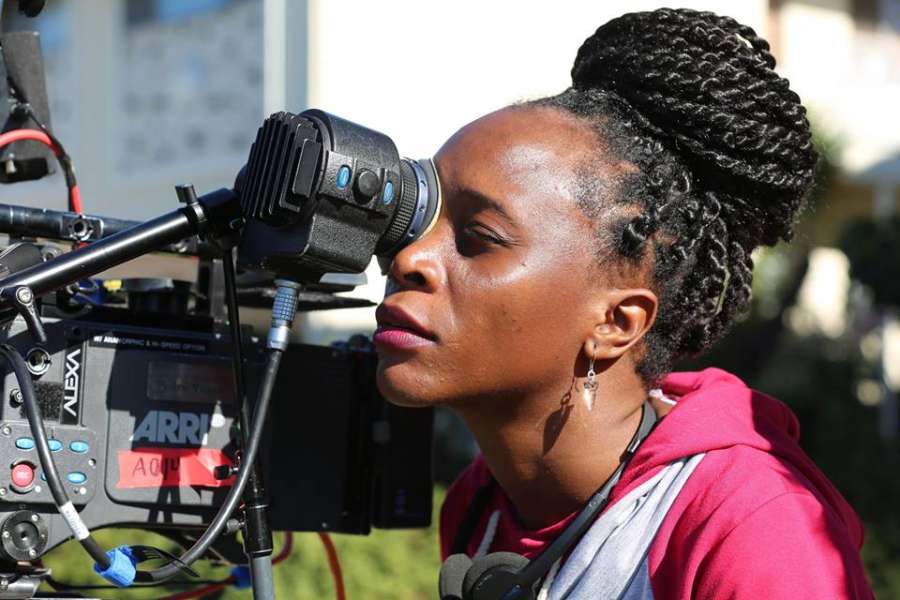
Leila Djansi has sparked conversation within African film circles after a Facebook post challenging the trend of treating YouTube as the ultimate destination for feature films.
Djansi is a highly acclaimed Ghanaian-American filmmaker known for tackling social issues, earning numerous nominations and awards, including 11 AMAA nods for “I Sing of a Well” (2009) and 10 for “Sinking Sands” (2011). She won Best Director at the 2013 Ghana Movie Awards and Best Diaspora Film at the 2012 San Diego Black Film Festival. She hails from Ghana’s Volta Region and currently lives and works in the United States.

According to Djansi, YouTube should not be seen as a sustainable endpoint for serious filmmakers unless backed by structured deals such as premium placements, minimum guarantees, or subscription platforms.
“Unless a distributor is placing your film on YouTube Premium and more, where people pay or subscribe to watch your film, with a real minimum guarantee of at least $200,000 plus participation, YouTube is not your last stop for film distribution,” she wrote.
She distinguished between content creation and filmmaking, stressing that while YouTube works for disposable content, it poses challenges for filmmakers seeking longevity, leverage, and financial security.
Djansi cited piracy, copyright disputes, inflated view counts, demonetization, and prolonged legal battles as hidden costs. Drawing from experience, she revealed managing and consulting on multiple YouTube channels as early as 2012, including one now with over 2.6 million subscribers. By 2015, her personal channel earned about $7,000 monthly before policy changes and piracy reduced its revenue.
She also recounted how her film “And Then There Was You” was illegally uploaded and gained over two million views, forcing months of legal action before YouTube intervened.
Beyond platform issues, Djansi addressed creative and cultural misalignment in African cinema, urging Ghanaian filmmakers to stop imitating Nigerian storytelling styles.
“Nigeria is not Ghana. Our differences are not the same,” she wrote.
Djansi noted that audience psychology shapes which stories succeed. Nigerian audiences reward bold, aspirational narratives, while Ghanaians favor humility, emotional depth, and softer storytelling. She linked these preferences to broader cultural patterns, including political branding and relatability.
Djansi also highlighted a major opportunity: the African diaspora. With over 150 million Africans abroad, many with disposable income, filmmakers could leverage this market beyond local YouTube views.
While cautioning against YouTube as a default solution, she proposed a structured approach involving collective organization, transparent accounting, and partnerships with established distributors rather than fragmented individual channels.
“You don’t have to copy strategy or style,” she concluded. “Lean into your authenticity and make it work. Unity.”
Djansi’s comments have reignited conversations about film economics, cultural identity, and long-term sustainability in African cinema, particularly as digital platforms reshape how stories are produced, distributed, and consumed.
Source: Leila Djansi, Facebook