African Cinema in Focus: Kwaw Ansah Unveils Two Powerful New Productions

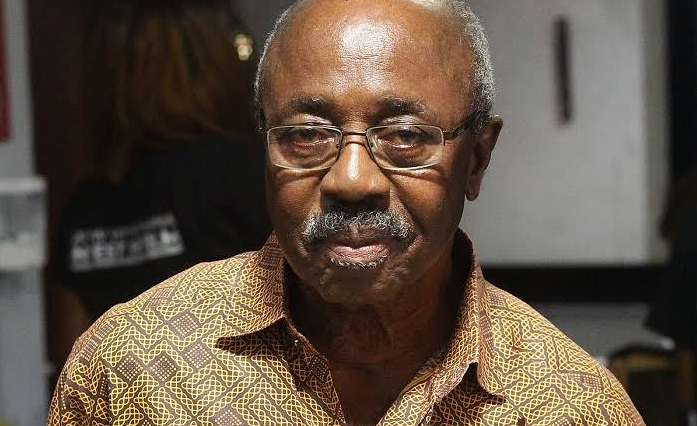
The landscape of African storytelling is poised for a significant shift as veteran filmmaker Kwaw Ansah recently unveiled two thought-provoking new films during an exclusive screening held at the Bisa Abrewa Museum.
The private event, designed to gather insights from the National Film Authority (NFA) leadership, film critics, and arts journalists, offered an intimate “first look” at two productions that promise to push the boundaries of how we document and imagine the continent’s trajectory.
Challenging Perspectives through Film
Kwaw Ansah continues his signature approach of using the silver screen as a canvas for deep introspection on Africa’s past, present, and future. The two new works include:
- How Did We Get Here: Produced by Film Africa in collaboration with the Bisa Abrewa Museum, this film utilizes powerful footage from The Conversation. It features thought-provoking insights from leading Ghanaian figures, including Mr. Kwame Pianim, Mr. Kwesi Pratt, and Prof. Takyiwaa Manu, and is chaired by Nana Kobina Nketiah V.
- The African PhD: This innovative animated feature serves as a biting, satirical depiction of the challenges Africans face regarding self-sabotage, sparking vital conversations around progress and collective responsibility.
A Call for Cultural Preservation
During the screening, the veteran filmmaker emphasized the transformative potential of the medium.
“Filmmakers must harness the power of the audio-visual medium to tell authentic African stories and preserve the continent’s heritage through film,” Ansah remarked.
He further championed the integration of visual media into educational curriculums, noting that it is a powerful tool for countering historical dehumanization and fostering a deeper appreciation for African identity.
Industry Recognition
The Board Chairman of the National Film Authority, Ivan Quashigah, lauded the projects, drawing parallels to Ansah’s celebrated body of work, which includes classics like Heritage Africa and Love Brewed in the African Pot.
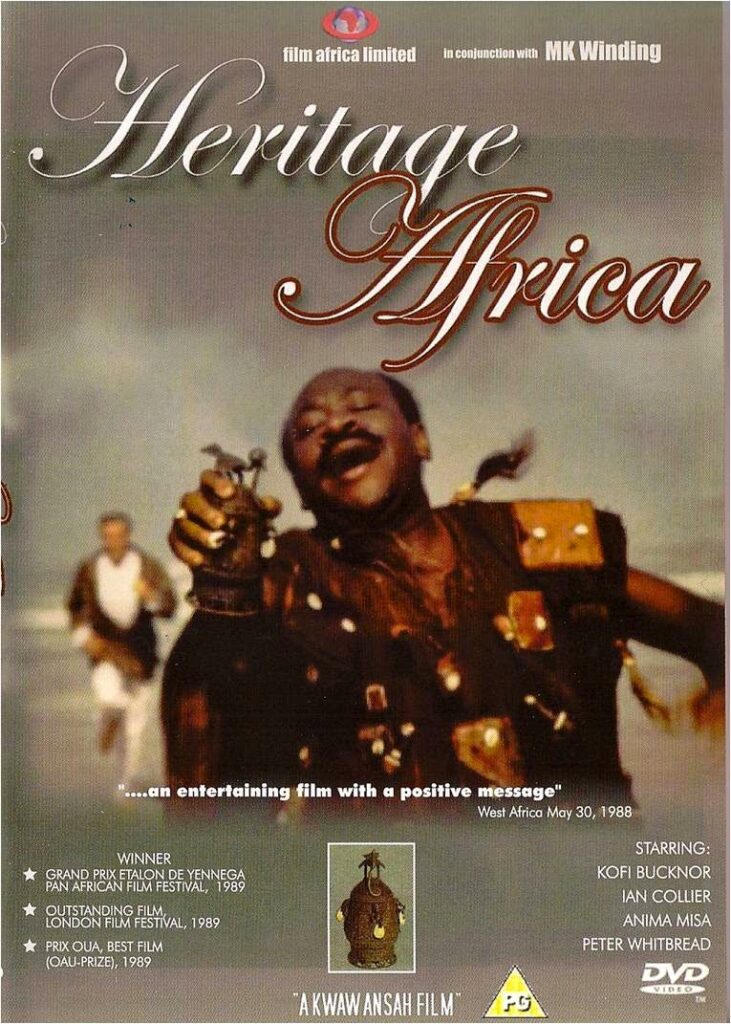

“If you know Mr. Kwaw Ansah very well, you will know that he is so passionate about telling stories that promote the African – who we are and what we must be doing in this time,” Quashigah stated.
He urged both continental and diaspora audiences to prioritize these films, describing them as essential viewing for those committed to the African narrative.
As these films prepare for their public release, they signal a continued renaissance in African cinema – one that demands we look backward to understand the present and look inward to forge a more intentional future.